Technology & Facilities
The engineering platforms, core technologies, and state-of-the-art facilities that power our research in organ-on-chip and microphysiological systems.
Core Technologies
Our multidisciplinary team combines expertise in microfabrication, bioengineering, electronics, and cell biology to develop integrated platforms that push the boundaries of in vitro modeling.
Organ-on-Chip Engineering
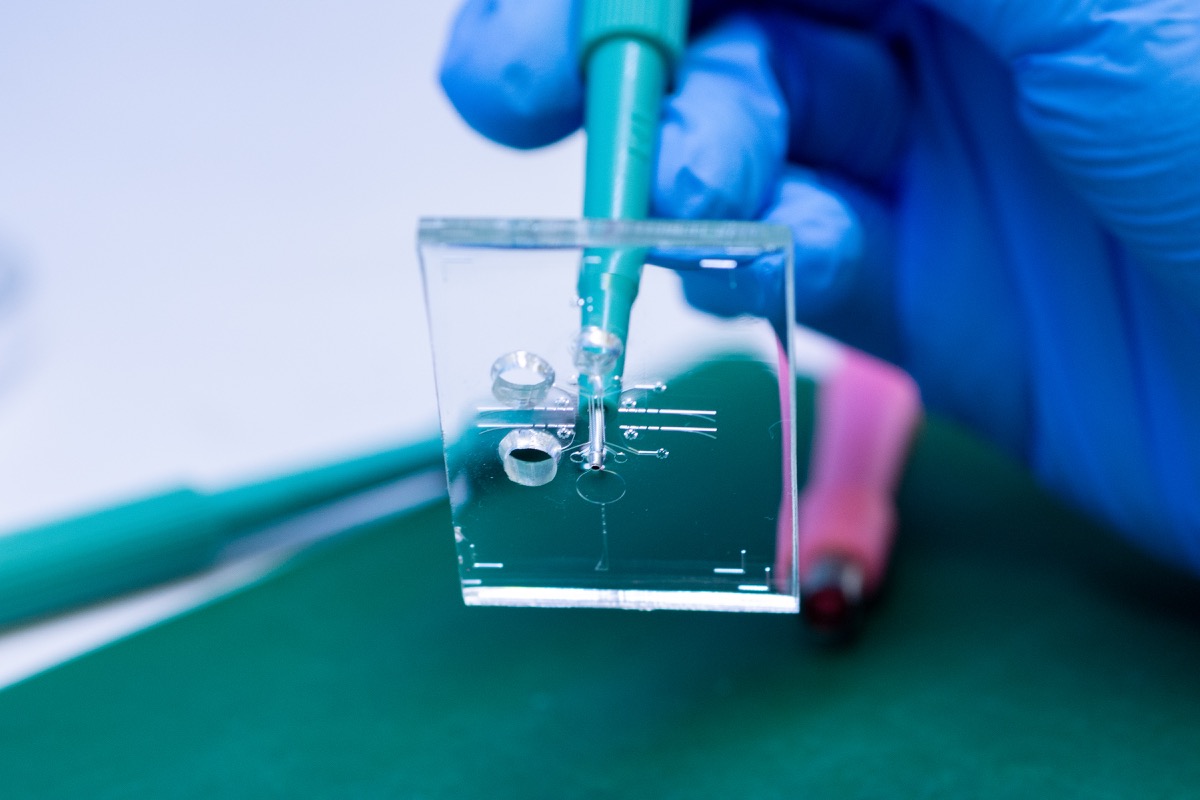
We design and fabricate custom microfluidic devices that recapitulate the architecture and biomechanics of human organs. Our platforms integrate multiple tissue compartments, semi-permeable membranes, and perfusion channels to model complex organ-level functions in vitro.
Mechanical Stimulation Systems
Proprietary actuation systems deliver precisely controlled cyclic stretch, compression, and shear stress to on-chip tissues. Pneumatic and electromagnetic actuators reproduce physiological loading regimes — from cardiac contraction to joint articulation — with real-time feedback control.
Microfabrication & Soft Lithography
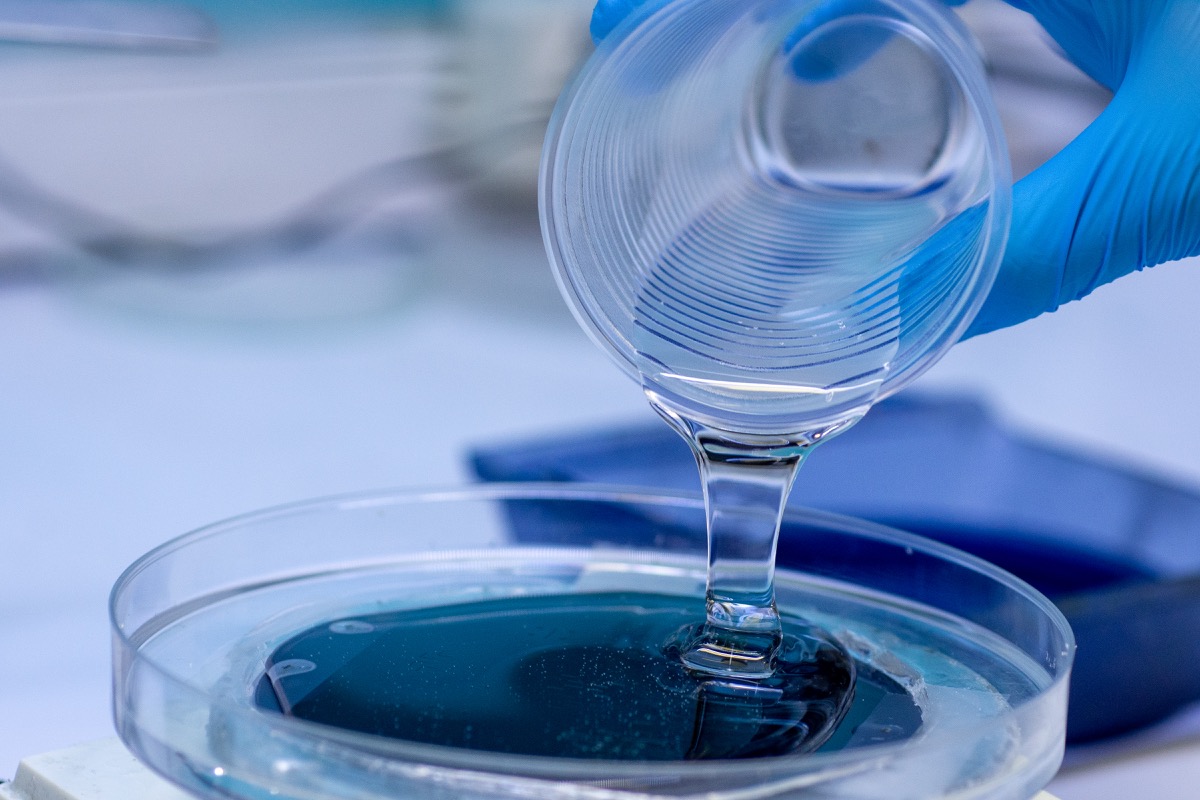
In-house soft lithography capabilities allow rapid iteration from design to functional device within days. SU-8 master fabrication, PDMS casting, plasma bonding, and surface functionalization are routinely performed to create application-specific chip geometries.
Integrated Sensing & Readout
On-chip and off-chip sensing modules provide real-time monitoring of key biological parameters. Embedded electrodes measure trans-epithelial electrical resistance (TEER), while optical windows enable live fluorescence imaging and oxygen sensing.
Microfluidic Perfusion & Vascularization
Advanced microfluidic networks enable controlled perfusion of culture chambers, supporting long-term cell viability and nutrient exchange. Self-assembled microvascular networks allow the study of angiogenesis, vascular barrier function, and immune cell trafficking.
Smart Control & Automation
Custom-designed electronic control units manage pneumatic actuation, flow rates, and environmental conditions. Multi-channel programmable platforms ensure reproducibility and enable parallel experiments with independent parameter control.
From Design to Discovery
Our end-to-end workflow takes a biological question from concept to functional organ-on-chip model, integrating design, fabrication, cell culture, and data analysis.
Design
Computational modeling and CAD design of microfluidic architectures tailored to the target organ.
Fabricate
Cleanroom photolithography and soft lithography to produce high-fidelity microfluidic devices.
Culture
Cell seeding, tissue maturation, and mechanical conditioning under physiological conditions.
Analyze
Real-time monitoring, imaging, molecular assays, and data-driven insights from on-chip experiments.
IP & Technology Transfer
Translating research into impact through patents, licensing, and spin-off creation.
Covering organ-on-chip device designs, actuation systems, and integrated sensing methods.
Licensing agreements and technology translation enabling commercial development of lab innovations.
BiomimX S.r.l. — spin-off of Politecnico di Milano (2017), commercializing the patented uBeat platform.
Research Facilities
State-of-the-art laboratories and equipment supporting every stage of our research, from device fabrication to biological analysis.
Microfabrication Lab
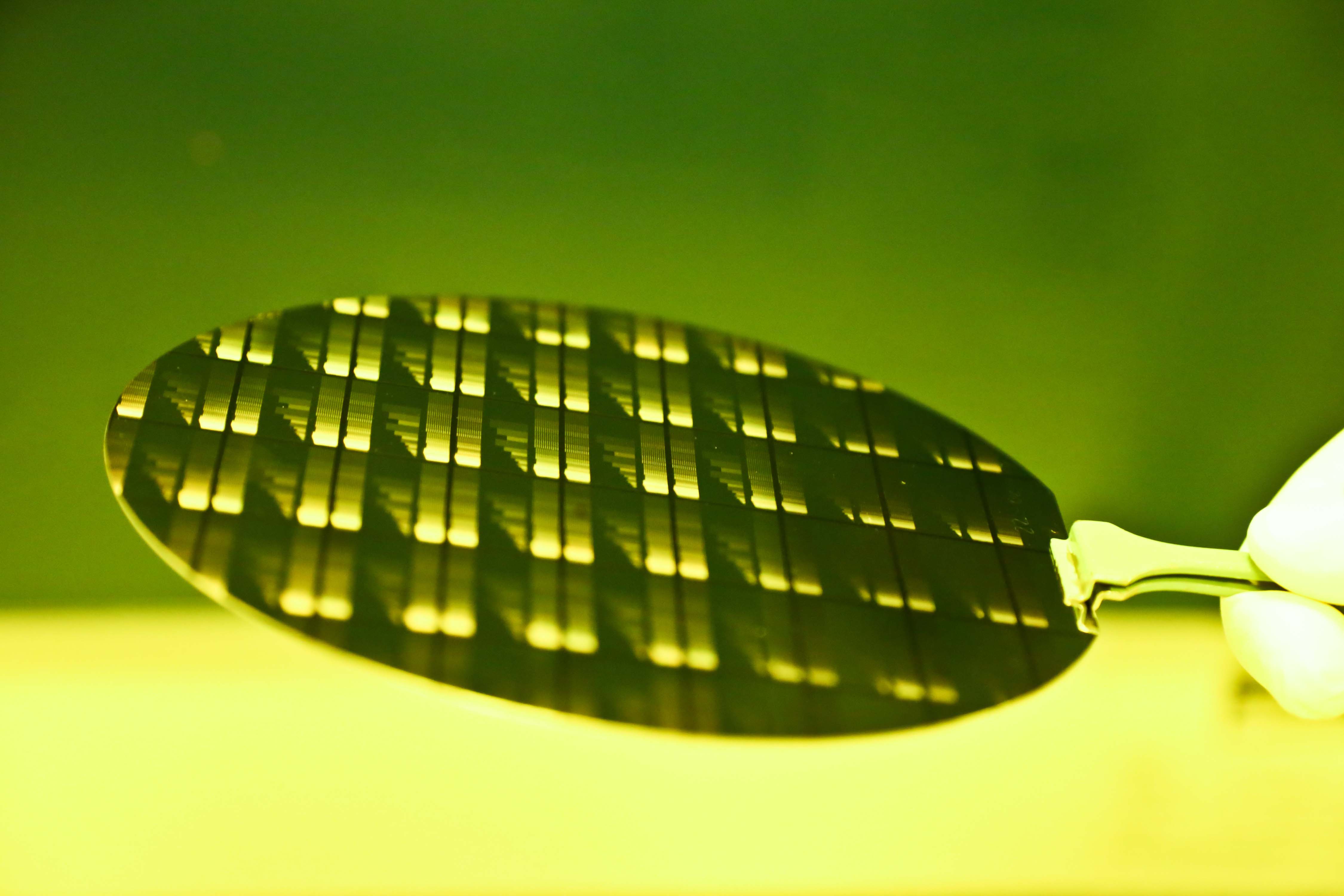
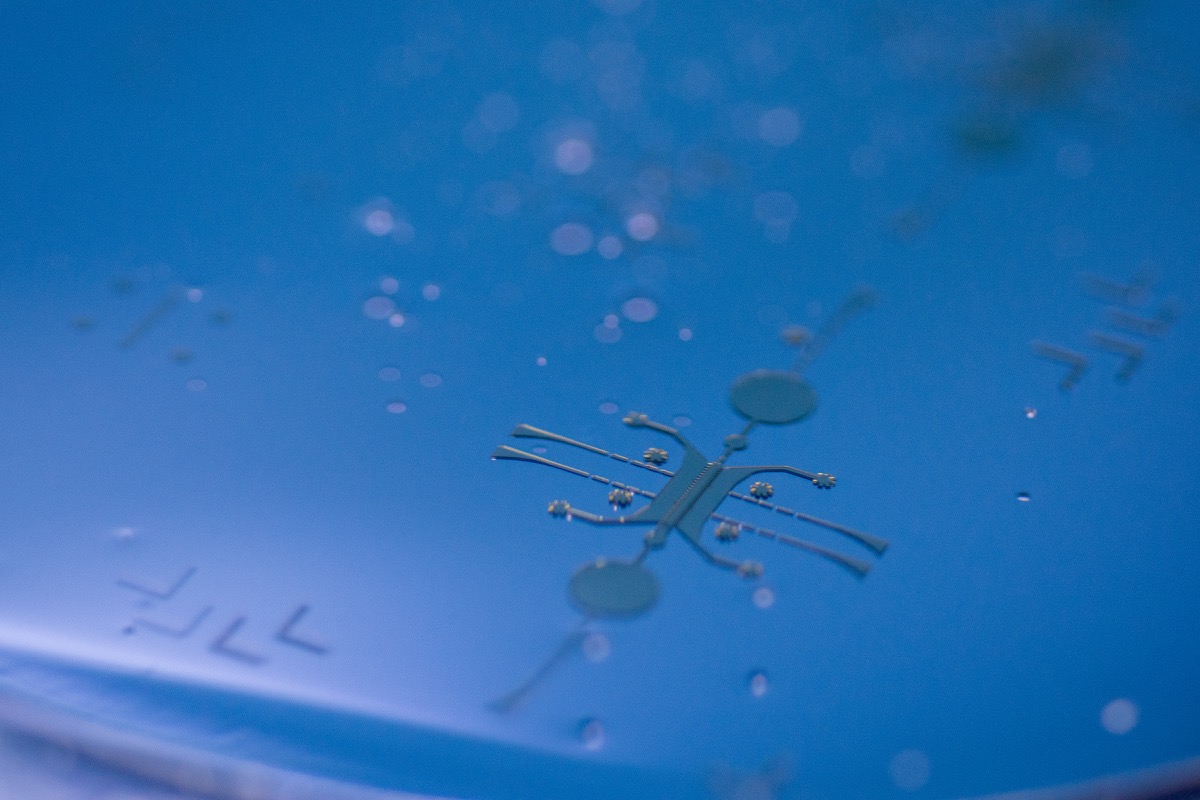
Full access to PoliFab, the Micro- and Nano-Fabrication facility of Politecnico di Milano, with cleanroom-grade photolithography, etching, and deposition capabilities. MiMic also operates a dedicated in-house facility for soft lithography, PDMS device fabrication, and rapid prototyping.
Cell Culture Facilities
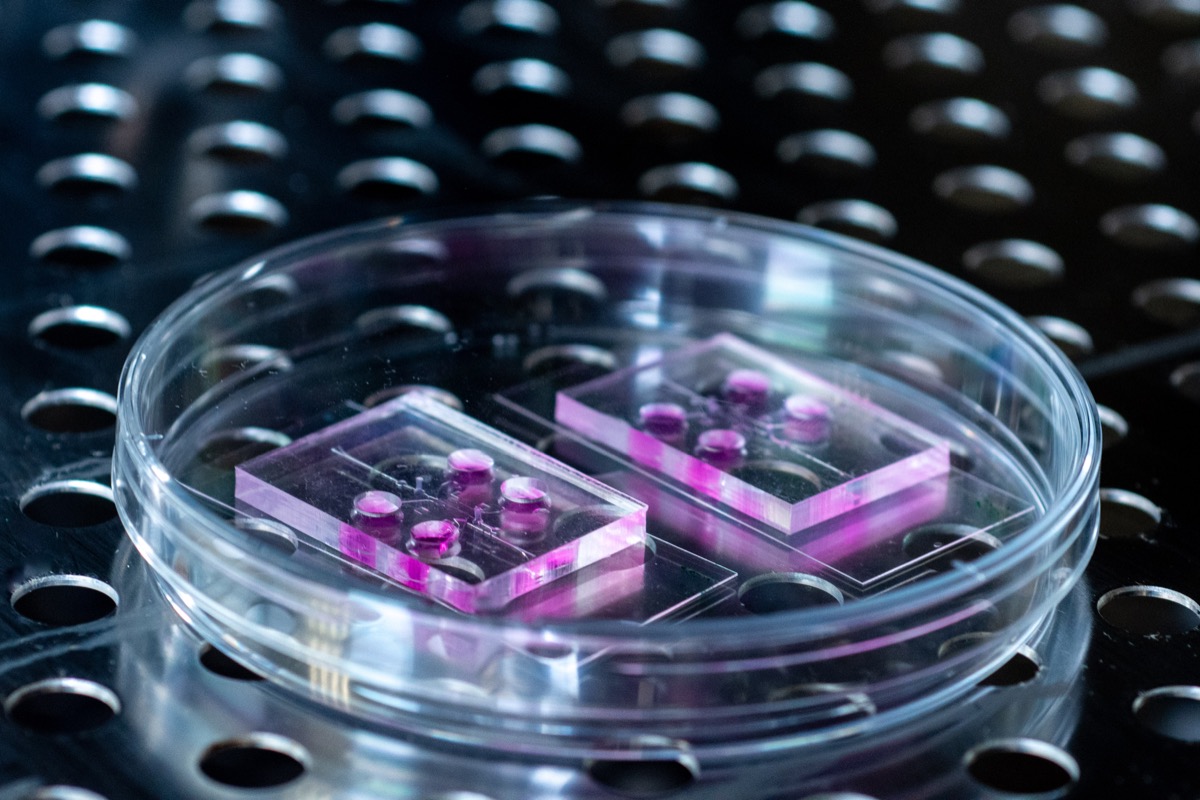
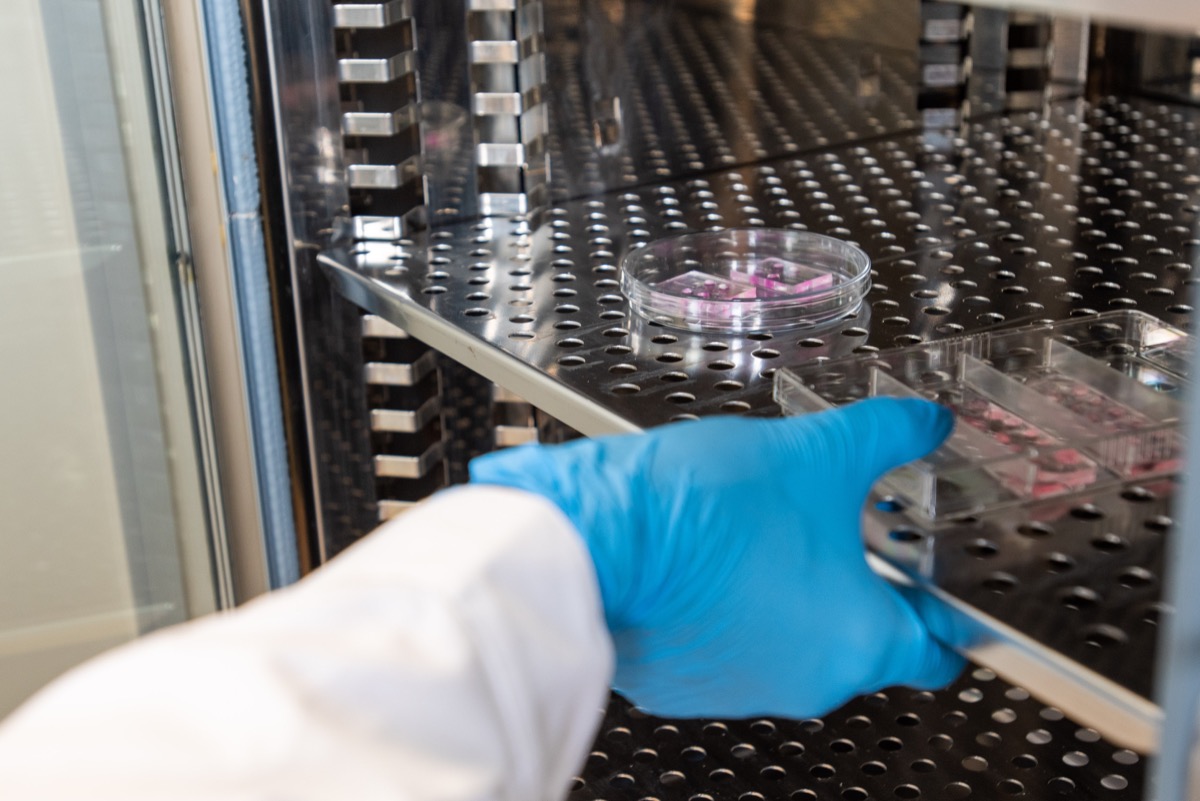
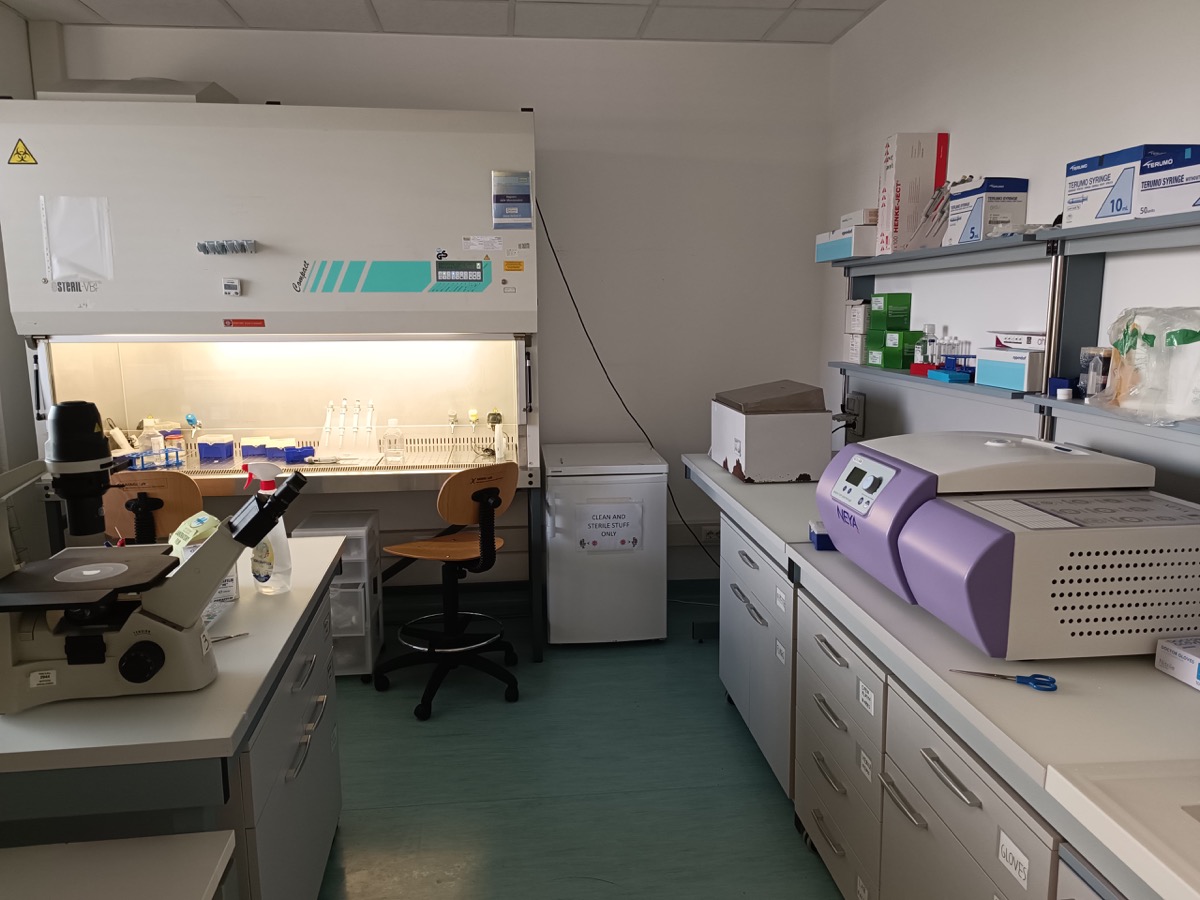
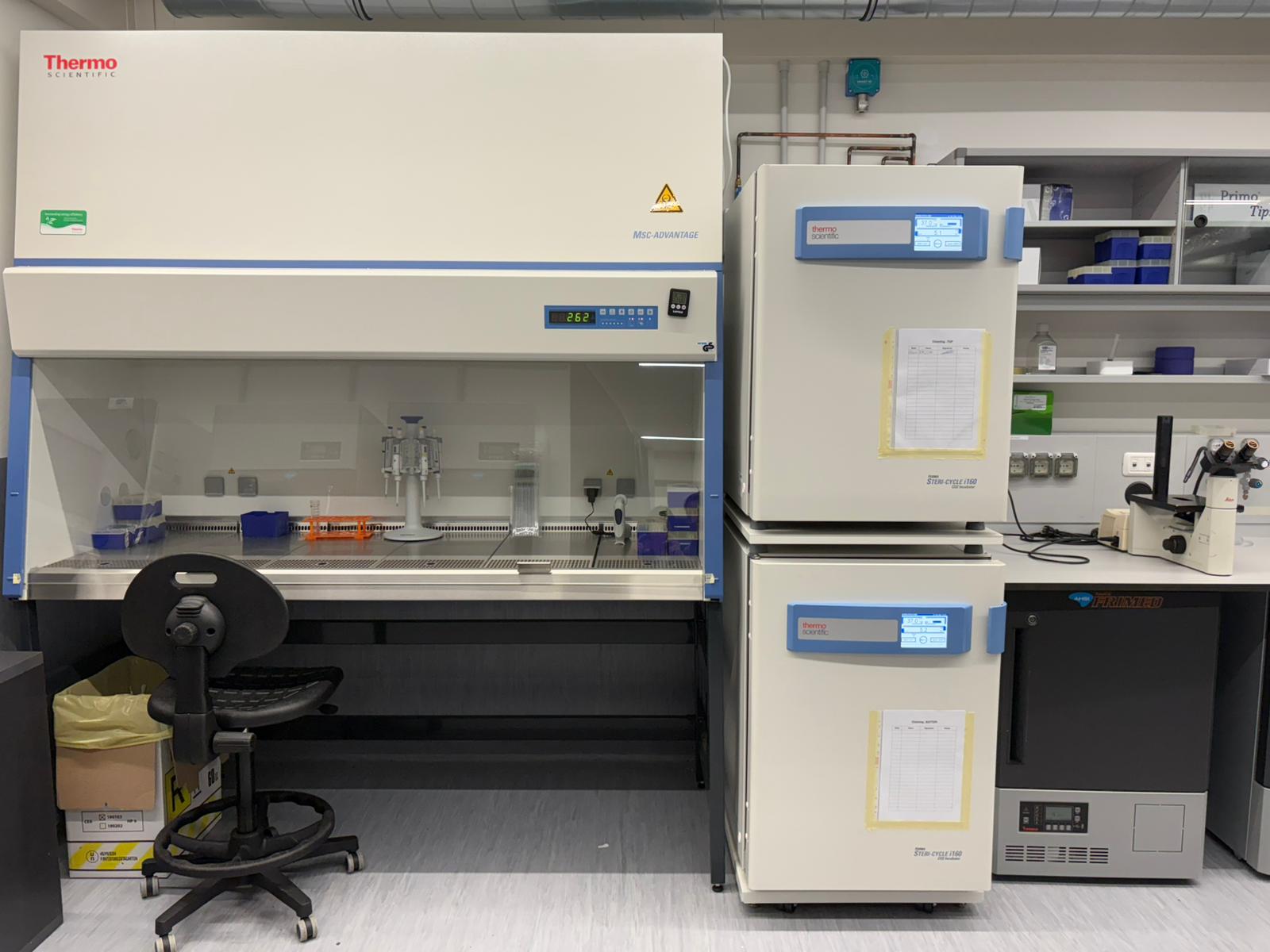
Dedicated cell culture rooms with incubators, biosafety cabinets, and equipment for maintaining various cell lines and primary cultures.
Imaging Suite
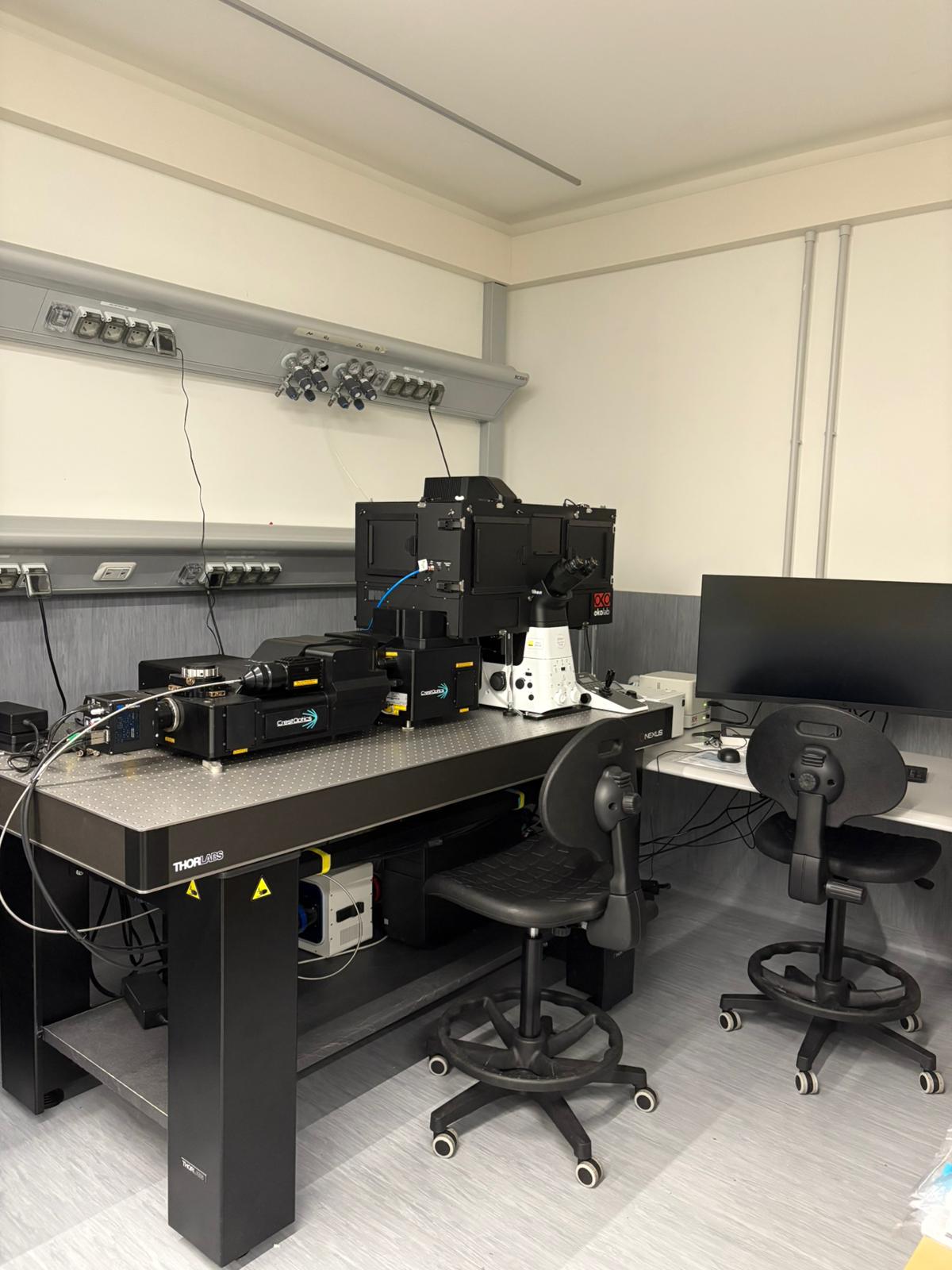
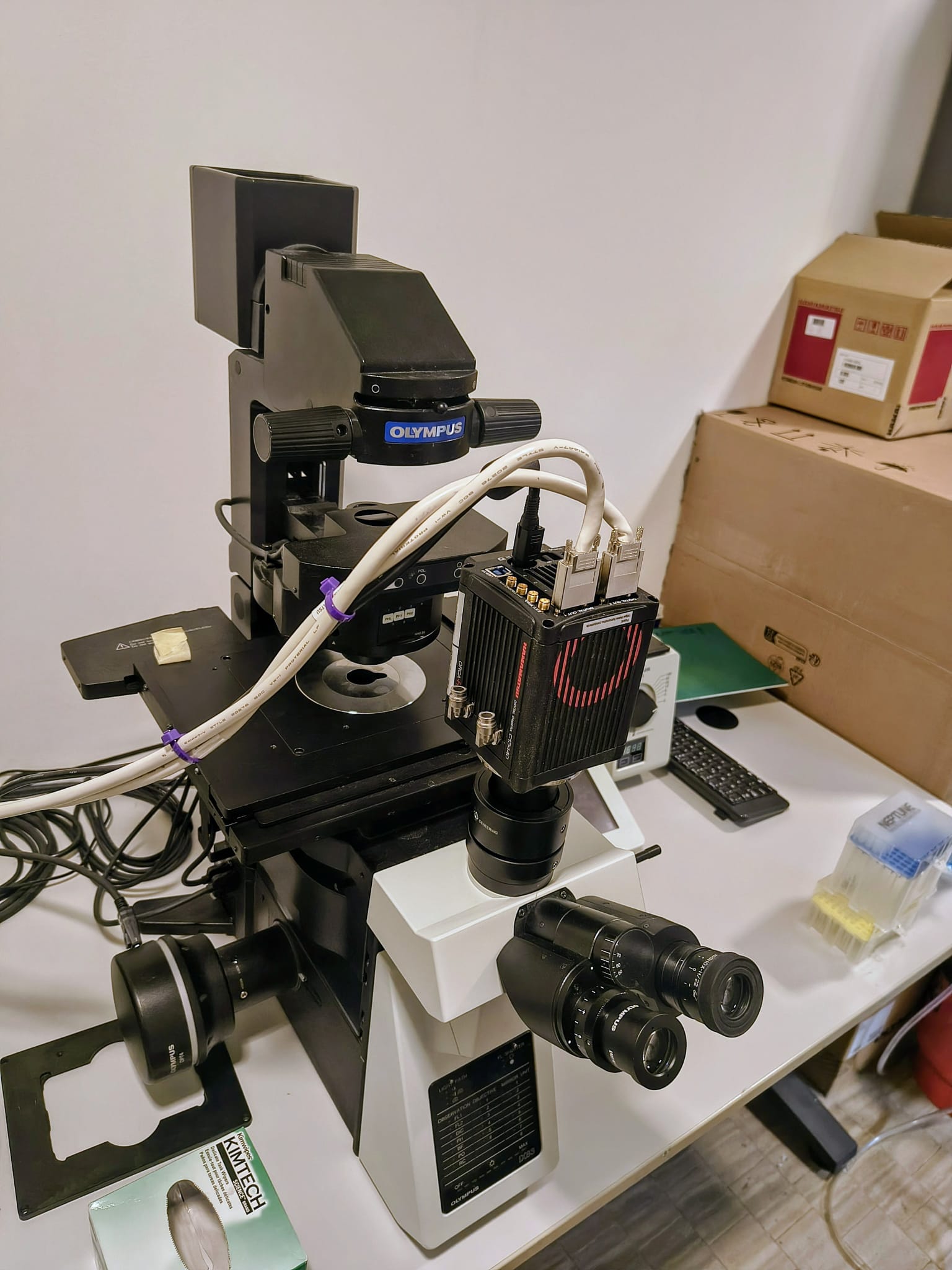
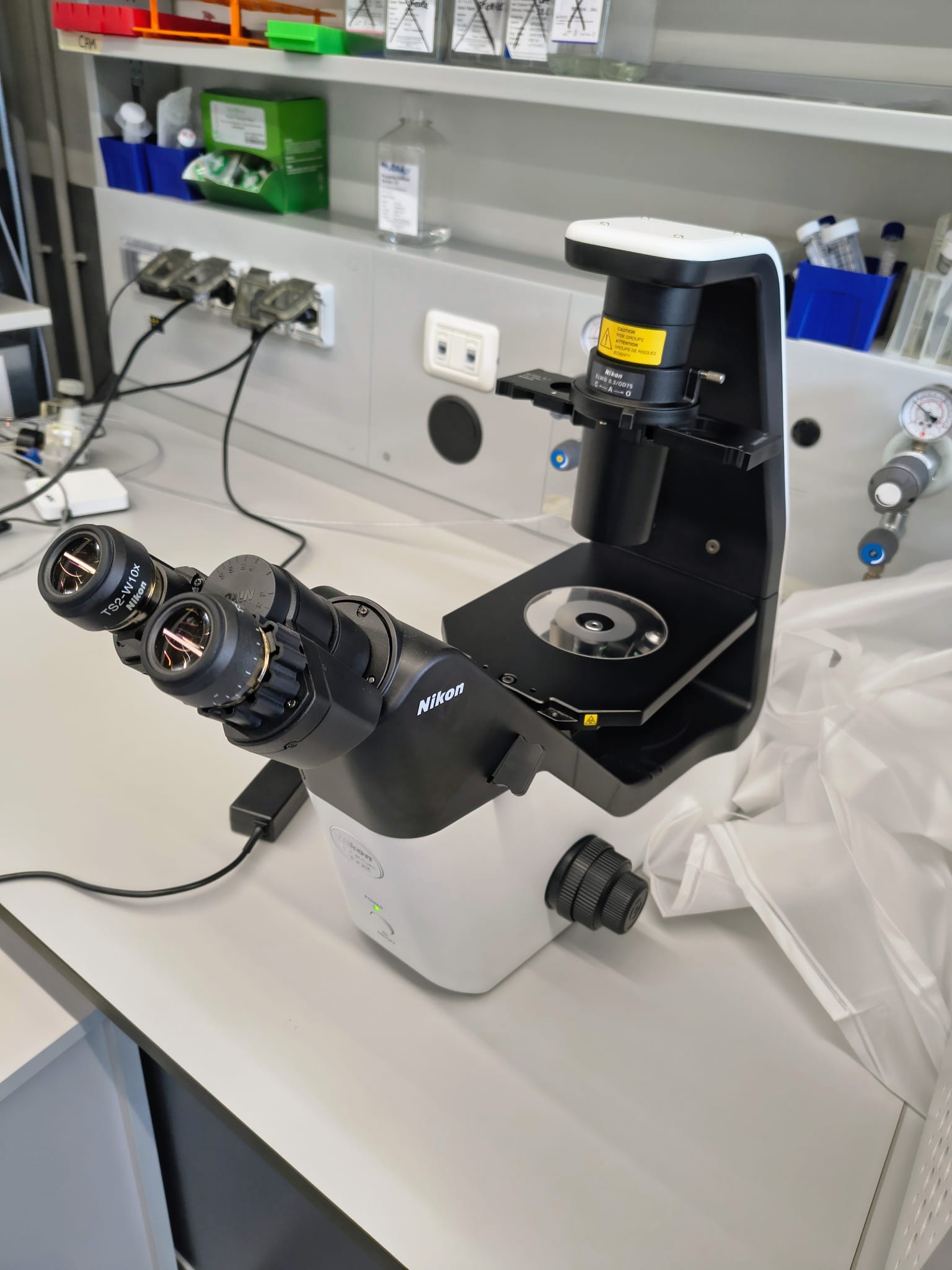
Advanced microscopy systems including confocal spinning disk with super-resolution, widefield fluorescence, and live-cell imaging platforms for real-time monitoring of organ-on-chip experiments.
Analytical Laboratory
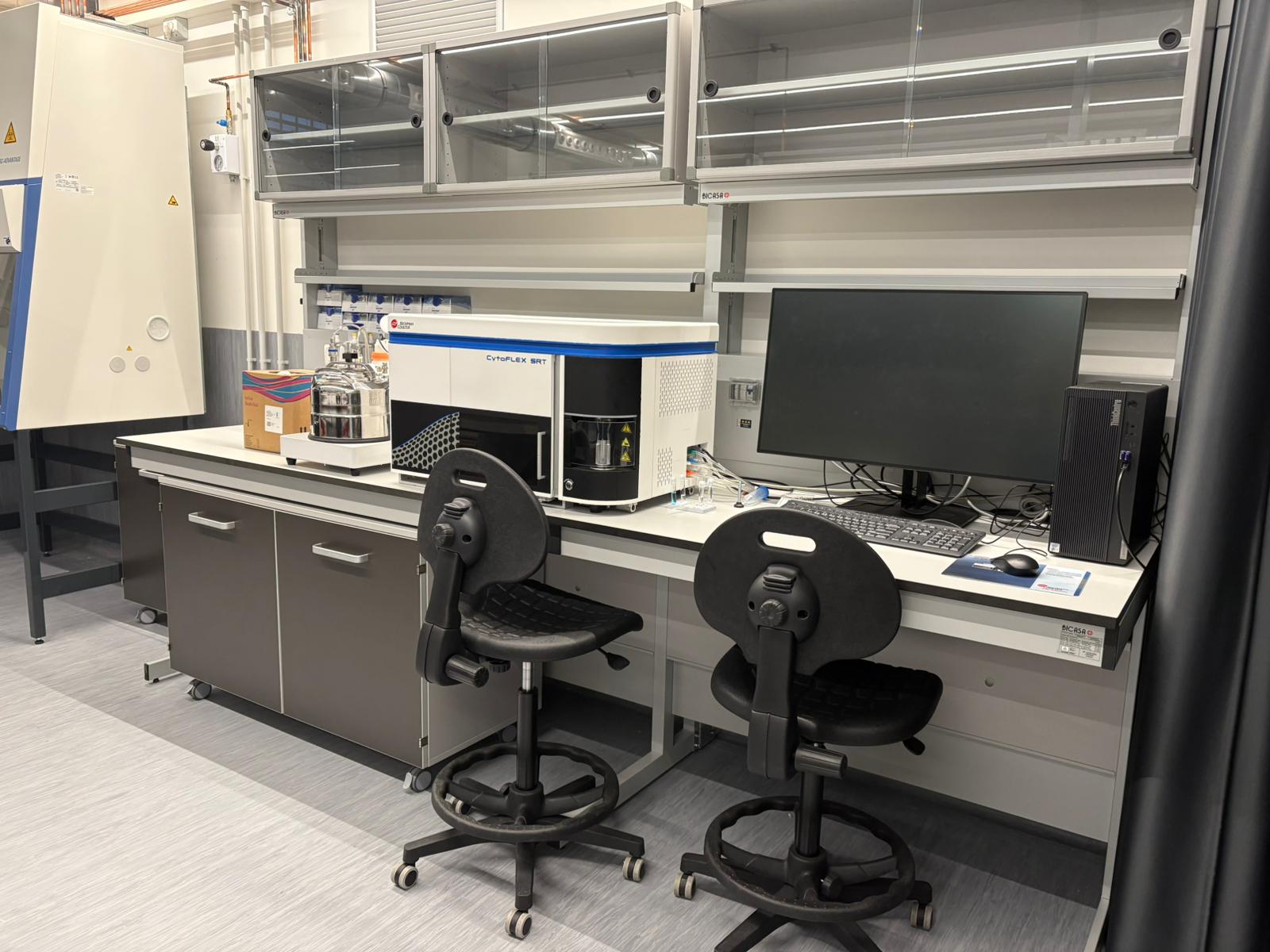
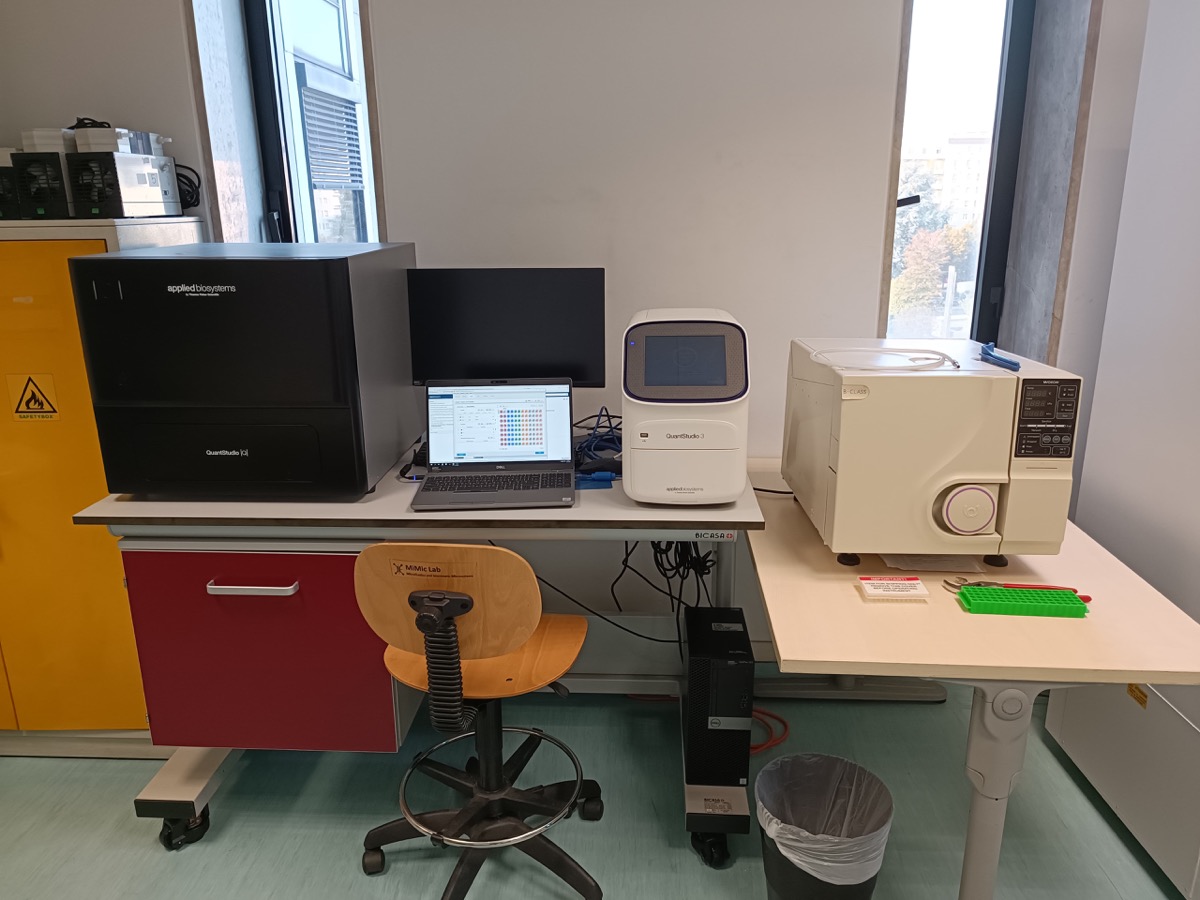
Comprehensive analytical equipment for biochemical assays, molecular biology, and characterization of biological samples. Key instruments include RT-qPCR, digital PCR, FACS sorter, and a plate reader with integrated cell incubation system.